


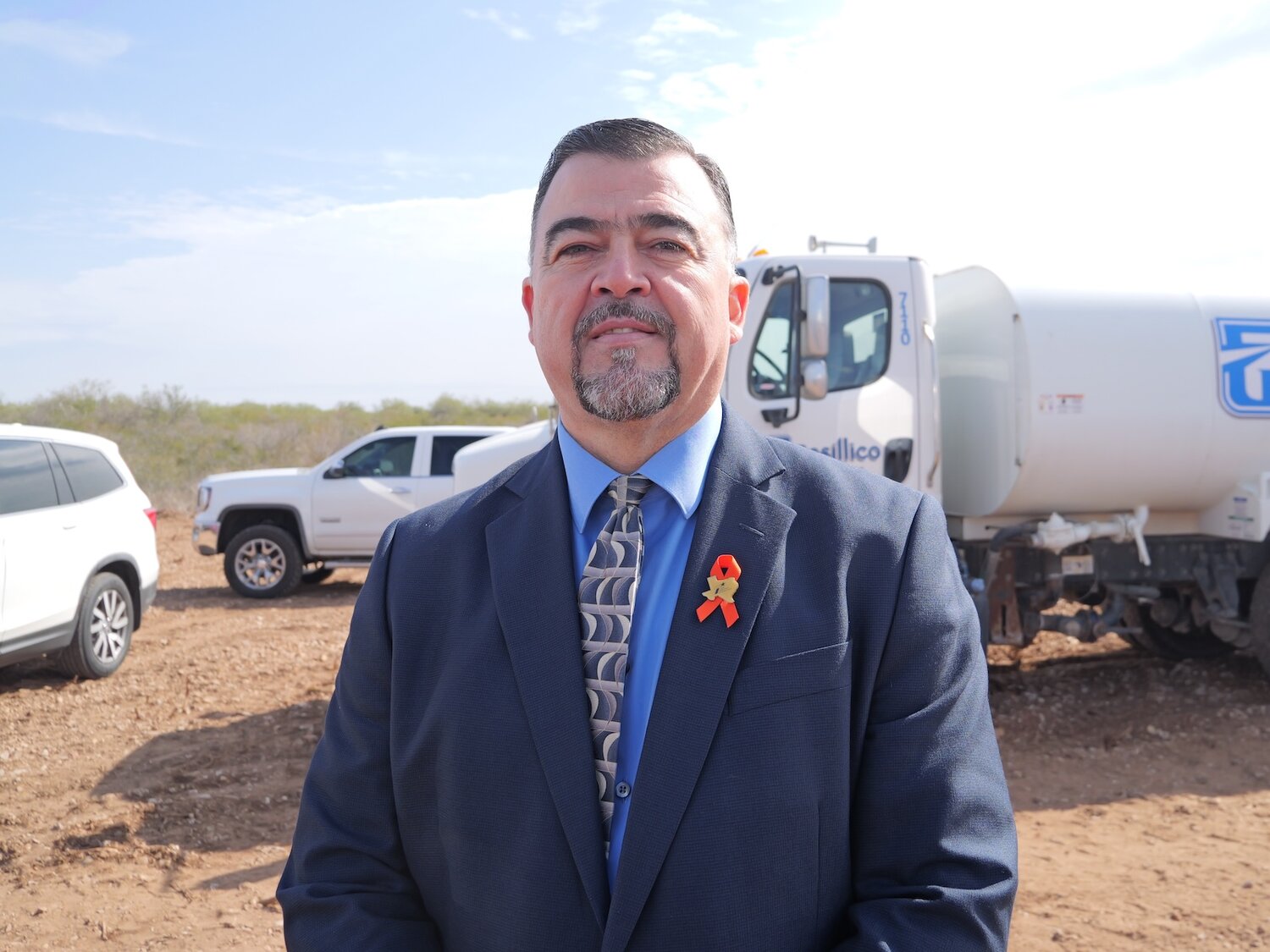
RIO GRANDE CITY, Texas - Pete Alvarez, Pharr District engineer for the Texas Department of Transportation, has encouraged border residents to have their input on the Texas-Mexico Border Transportation Master Plan (BTMP).
TxDOT is currently gathering input on border mobility challenges, safety, and improvement priorities as part of the BTMP update. It has created an interactive map that allows border residents to give their views. The deadline to give input is May 27, 2026.
“So freight, international trade, is huge and when you start thinking about all the activity happens between the US and Mexico, and it goes right through the great Rio Grande Valley,” Alvarez told the RGG Business Journal.
“And so we need to be identifying what are those challenges and what are the opportunities to solve those challenges. And that's what we're looking for, input from the public, to have a better understanding what they feel are the challenges so we can try and address those challenges.”
Alvarez gave his comments at the conclusion of a Starr County Industrial Foundation event held at South Texas College’s campus in Rio Grande City.

Sergio Vasquez is border program manager for international trade and border planning for TxDOT. He gave a detailed update on the Border Transportation Master Plan at a meeting of the Texas Freight Advisory Committee a few months back. The meeting was held at the McAllen Convention Center. Click here to watch Vasquez’s remarks.
Vasquez said the Texas-Mexico Border Transportation Master Plan is a binational, comprehensive, multimodal long-range transportation plan that identifies issues, needs, challenges, opportunities, and strategies for moving people and goods efficiently and safely across the Texas-Mexico border, the border region, and beyond.
“The BTMP is a strategic, data-driven plan that guides long-term transportation investments supporting safe, efficient, and reliable movement of people and goods across the Texas–Mexico border. This plan plays a key role in strengthening binational trade, improving border crossing operations, enhancing freight mobility, and supporting economic growth throughout the region,” Vasquez said.
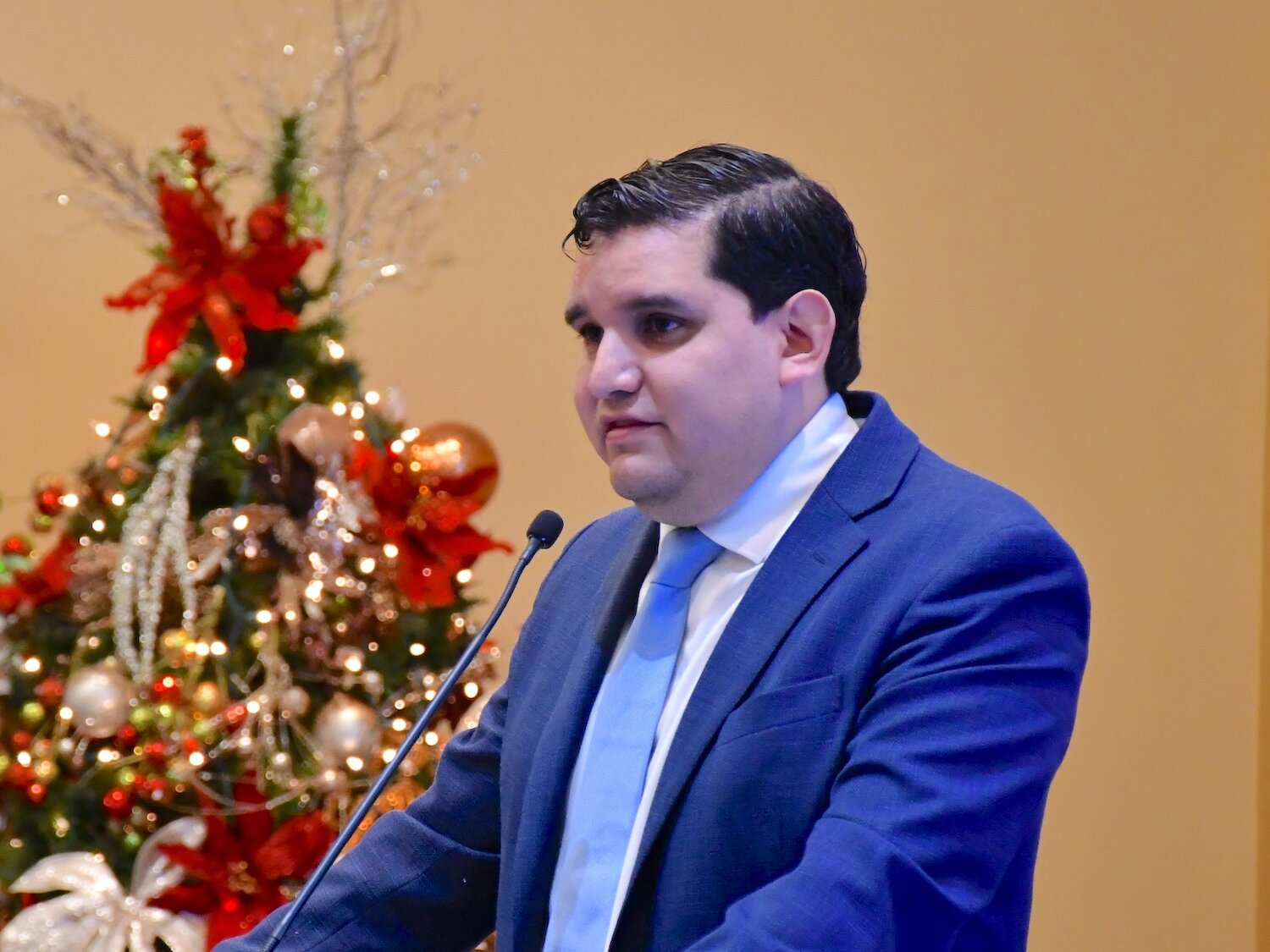
Vasquez said TxDOT, in collaboration with the Border Trade Advisory Committee, is in the process of updating the Texas-Mexico Border Transportation Master Plan, which was adopted in 2021 by the Texas Transportation Commission.
As the population and economy in the Texas-Mexico border region continue to grow many new challenges have emerged, Vasquez pointed out. Improving the existing multimodal infrastructure is critical to enhancing the quality of life for residents of the border region, he explained.
“Share your insights and help guide future transportation planning across the border region. Access our interactive map and add your insights today.”
Vasquez provided a link for the interactive map. Click here to view and use it.
TxDOT says the Texas-Mexico border matters.
“Transportation infrastructure in Texas plays a vital role in facilitating the nation’s trade with Mexico. Given the current and projected travel demand, improving the capacity and operations of the existing multimodal infrastructure is critical to alleviate traffic congestion, facilitate international trade, e-commerce, reduce environmental impacts, and enhancing the state’s economic competitiveness in trade and beyond,” TxDOT stated.


